
Mooring is a critical control procedure where safety and operational efficiency converge for minimizing the risks of equipment failure. The demands placed on tanker mooring systems today are significantly higher than ever, and this shift is driven by a combination of vessel scale, terminal diversity and stricter industry frameworks.
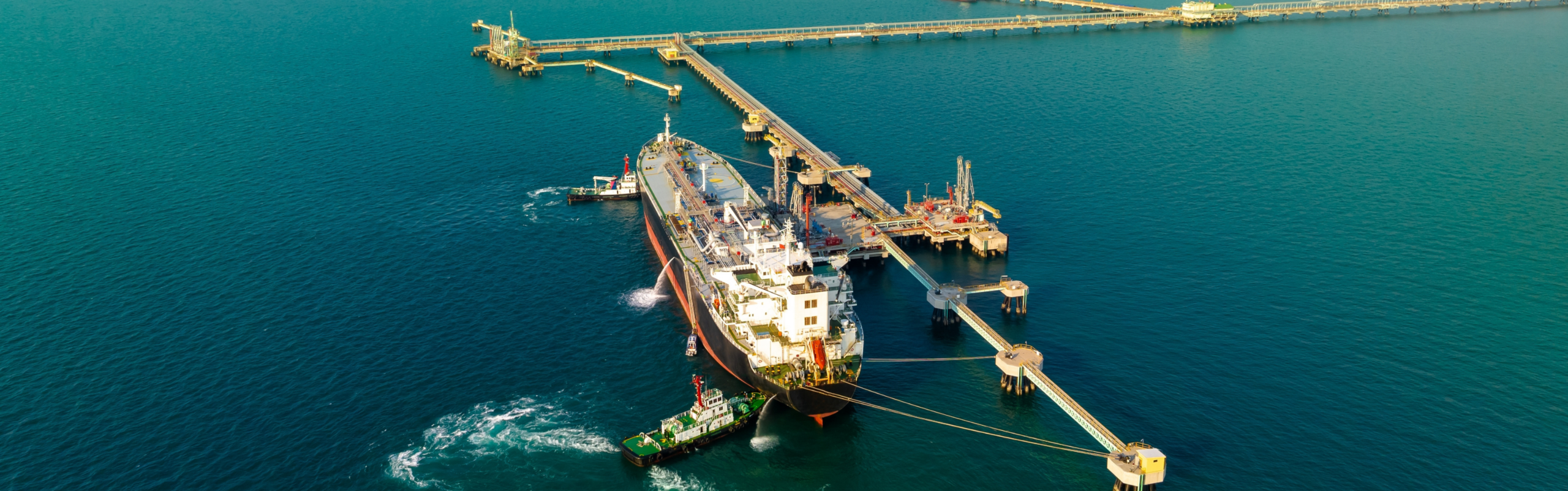
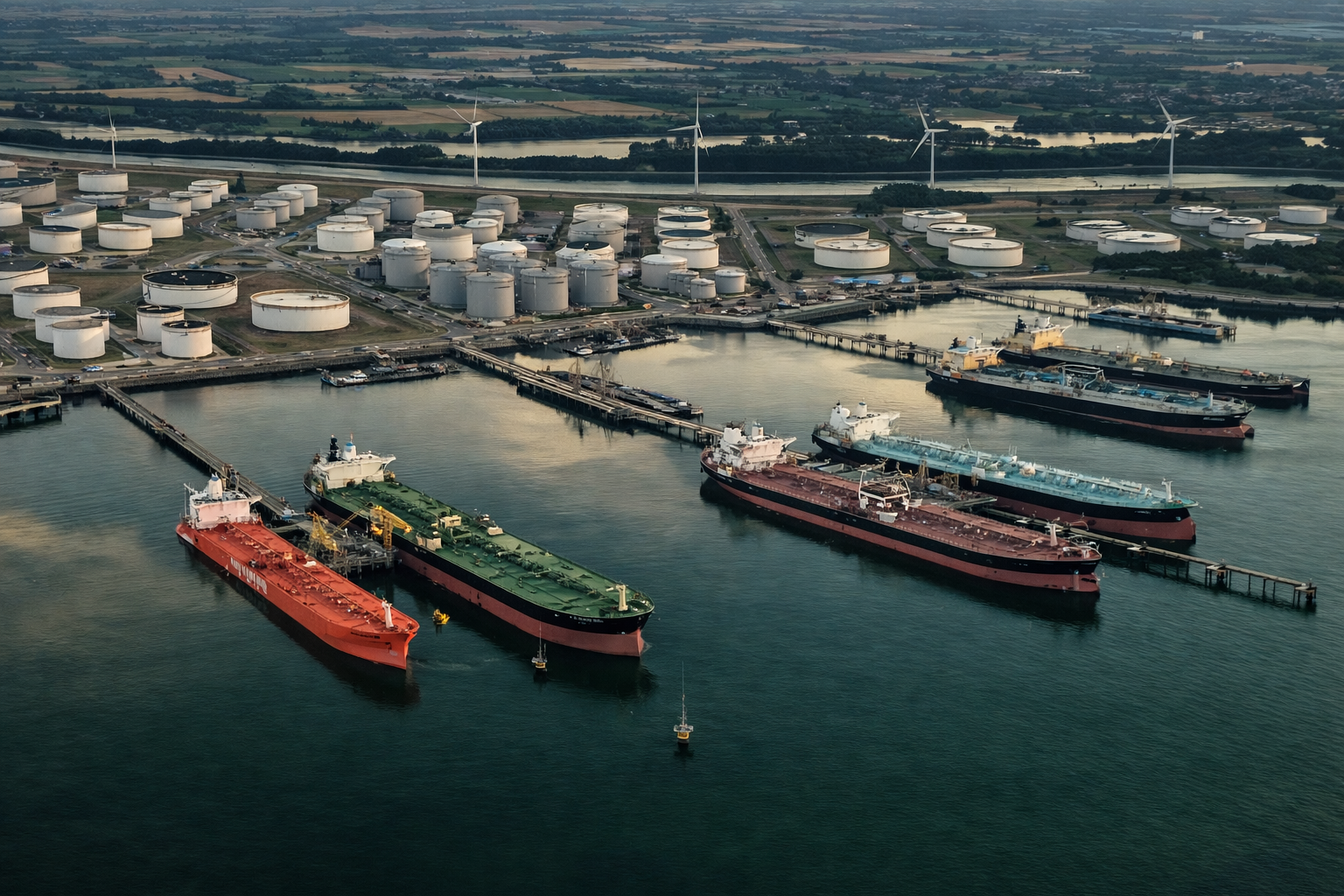
Modern tanker vessels, whether crude oil, product or chemical carriers, operate across a wide range of berthing environments:
Each of these operations introduces unique tension load, dynamic forces and environmental variables upon the mooring equipment.
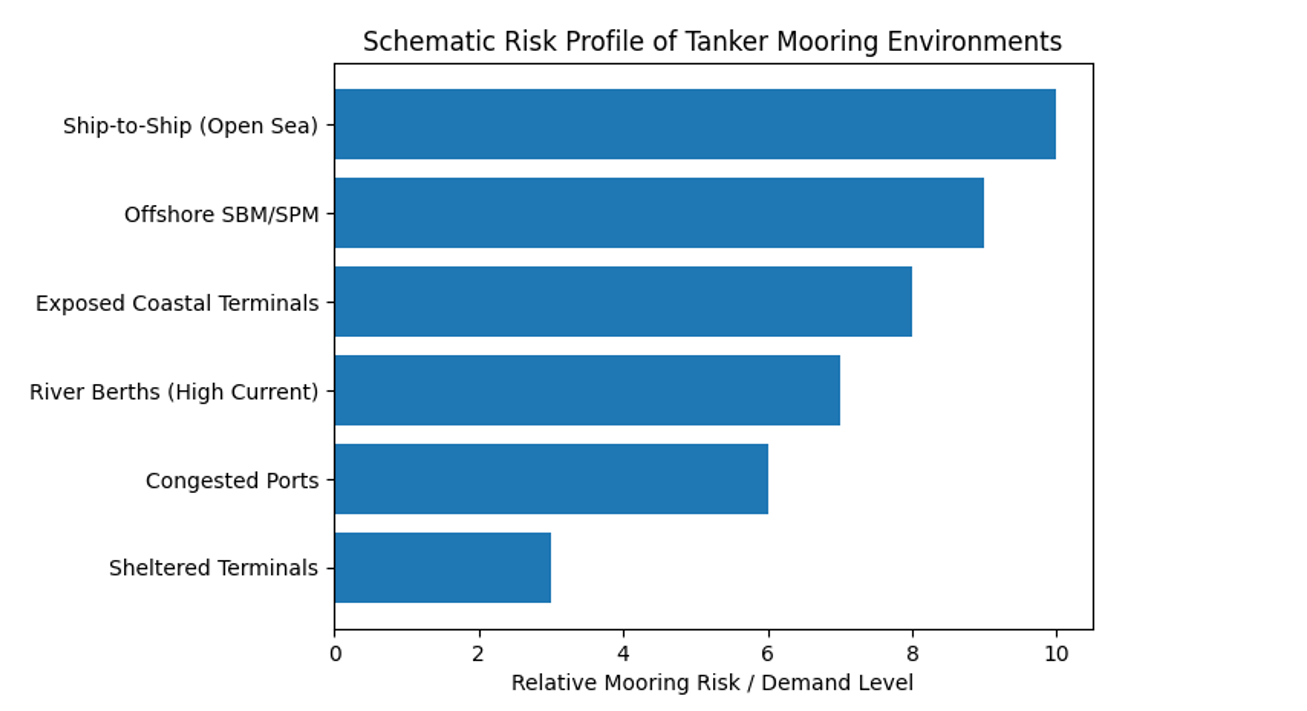
Ship to Ship (STS) operations are procedures in which two vessels are positioned parallel, either anchored or moving, to transfer cargo from one to another. The precision in coordination and the ability to operate under various climatic conditions of the STS operations require custom made mooring equipment.
Exposed berths represent one of the most demanding operational environments for tanker mooring systems. Unlike sheltered ports or enclosed terminals, these locations are directly influenced by environmental forces often simultaneously and unpredictably. For tanker operators, this translates into elevated line loads and higher requirement for durability of mooring ropes.
Relevant study from OCIMF show mooring analysis examples for a tanker moored in both a sheltered and exposed berth with onshore and offshore winds, respectively. The study indicates the critical aspect of % elongation of mooring tails that can absorb the dynamic forces and reduce the peak loads upon the main mooring line
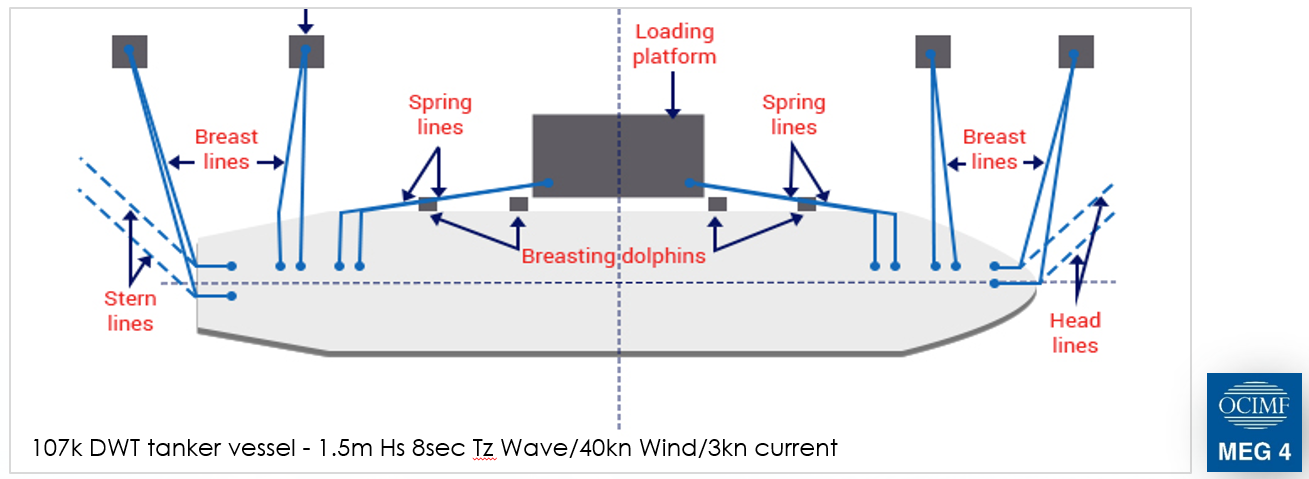
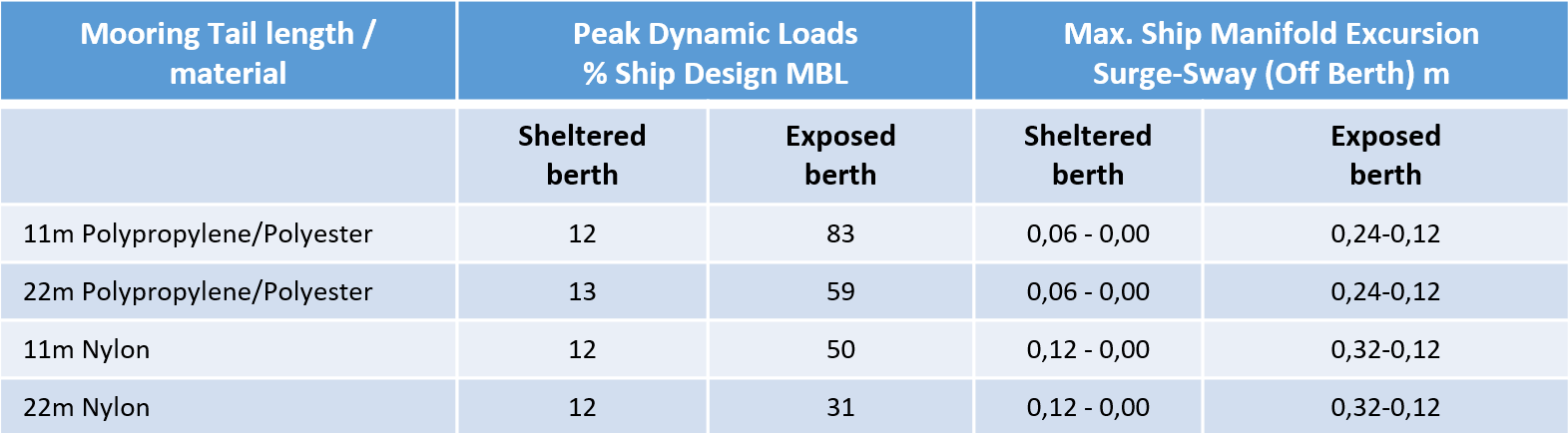
Mooring operations on tanker vessels are governed by a structured regulatory and industry framework designed to ensure safety, standardization, and risk mitigation. Published by OCIMF, MEG4 (Mooring Equipment Guidelines 4th edistion), represents the best known mooring practice with aim to minimize the risks of mooring line failures.
When it comes to mooring lines, the international guidelines require:
KATRADIS is focused on meeting the requirements of OCIMF and provides solutions compliant to MEG4 for the safe mooring of tanker ships, including:
KATRADIS provides a comprehensive range of mooring rope solutions engineered to meet the high-performance, safety, and compliance demands of modern tanker operations. Designed for use across exposed terminals, offshore berths, and ship-to-ship (STS) operations, these solutions combine advanced materials, optimized constructions, and full lifecycle support aligned with OCIMF MEG4 requirements.
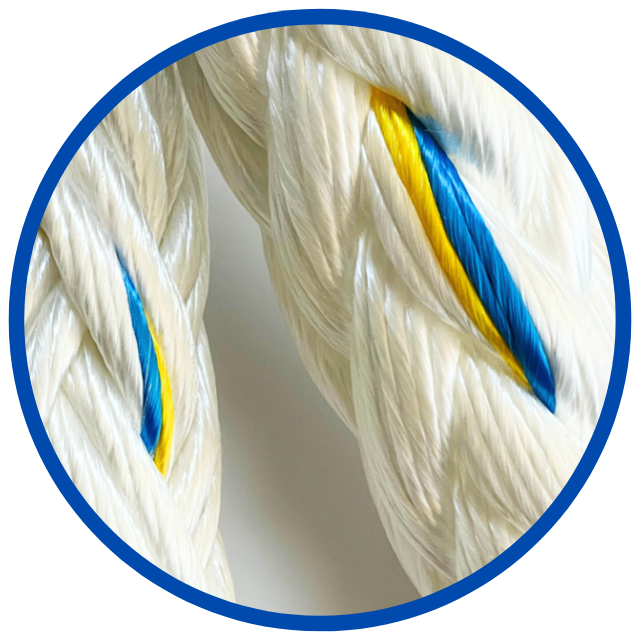
Developed for maximum safety on-board due to the specified construction engineered for reduced snap-back reaction.
– Manufactured from High Tenacity Polyester and the superb NIKA-Steel® fibers (made by KATRADIS)
– RSB member core integrated for reducing the extreme recoiling in case of partition
– Floating rope construction
– Ideal choice in a wide range of applications
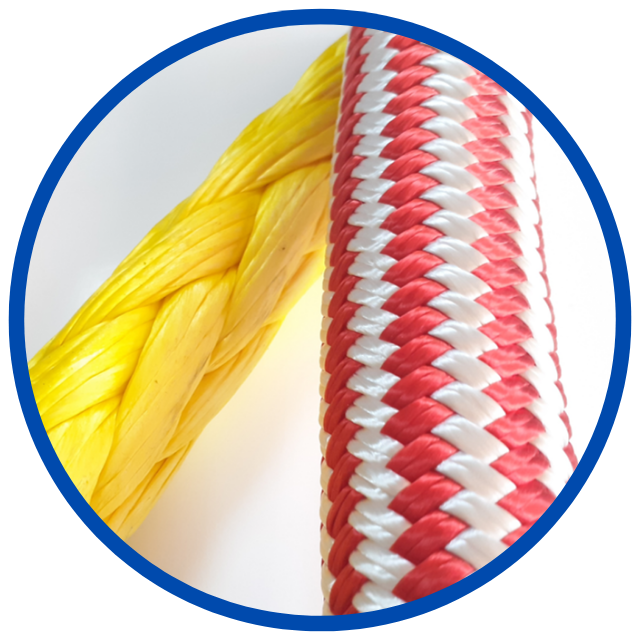
NIKA-Siri® ropes combine high strength and long service life in mooring operations.
– Lightweight and easy to handle compared to mooring wires
– Ideal for winchdrum operation on-board
– Processed with the LSP (Linear Structural Preformation, which highly enhances the overall performance and durability.
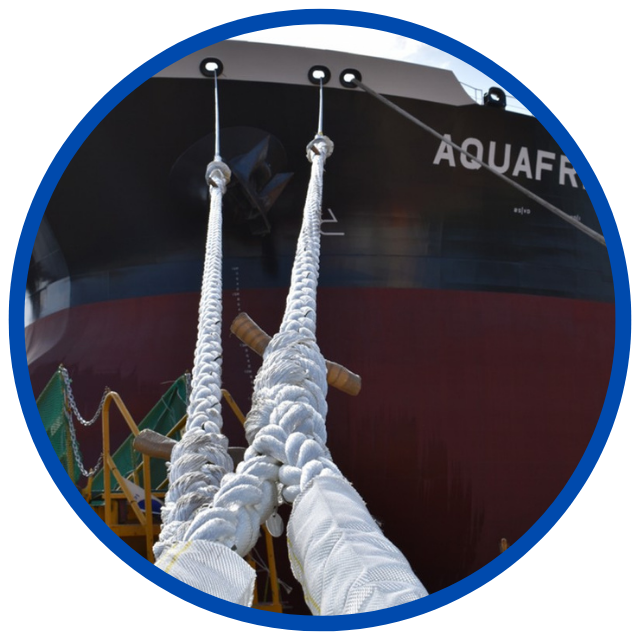
KATRADIS Mooring Tails provide the necessary elasticity and safety in the mooring system and therefore lower the peak loads on the main mooring line.
– Wide range of available materials to meet the requirements of the ship operations
– Polyester, Mixed or Nylon material in 8,12, 24strands construction or with protective cover in the whole length